Barbecue Monogram: A Designer Review for Business Merch
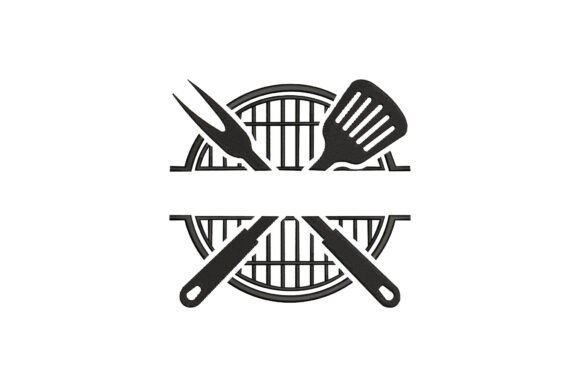
As an embroidery designer who specializes in commercial branding and small business merchandise, I approach every new machine embroidery design with a critical eye. When evaluating the Barbecue Monogram for potential use in branded apparel or product labeling, my primary focus is not just aesthetic charm, but technical viability and brand alignment. This design is described as adding a subtle touch of charm and creativity, making it ideal for T-shirts, towels, and pillows. However, for a business owner, Etsy seller, or apparel decorator, the question is whether this embroidery file can translate that charm into professional brand identity across various commercial applications.
Visual Personality and First Impressions
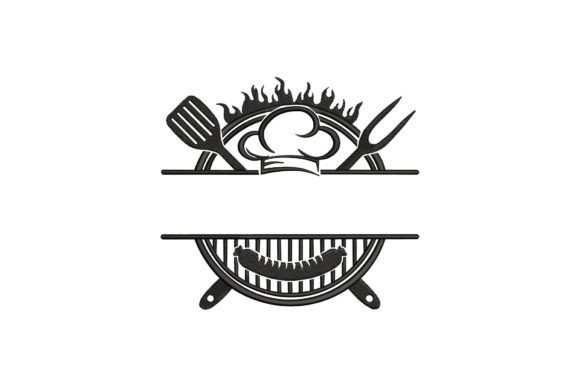
Upon reviewing the Barbecue Monogram, the immediate impression is one of rustic warmth and approachable professionalism. In the context of Kitchen category products, this design avoids being overly cartoonish, which is a common pitfall in barbecue-themed Embroidery. Instead, it strikes a balance between playful and polished. For a small business, this visual tone is crucial. It suggests a handmade, artisanal quality that builds customer trust without sacrificing legibility or perceived value.
The "subtle charm" mentioned in the product description indicates that the letterforms likely possess organic curves or textured fills rather than rigid, industrial block letters. This makes the Barbecue Monogram particularly effective for businesses that want to convey a sense of heritage, comfort, or bespoke craftsmanship. Whether you are running a boutique bakery, a local café, or a custom catering service, this aesthetic aligns well with consumers seeking authentic, non-corporate experiences. The design feels friendly yet established, a combination that is essential for effective small business merch.
Commercial Applications Beyond the Kitchen
While the Barbecue Monogram is categorized under Kitchen, its utility extends far beyond tea towels and oven mitts. As a versatile asset, I see strong potential for this design in several commercial sectors.
- Staff Uniforms and Aprons: For restaurants and food trucks, apron embroidery serves as both uniform identification and walking advertising. The monogram’s style works exceptionally well on canvas or denim aprons, where the texture complements the rustic theme.
- Retail Merchandise: For Etsy sellers or gift shops, this design transforms basic blanks into premium items. Stitching this onto tote bags creates a functional tote bag design that customers will actually use, extending brand visibility.
- Patches and Labels: With minor digitizing adjustments, this monogram could serve as the base for an embroidered patch. Patches are high-value add-ons for caps, jackets, and backpacks, allowing businesses to sell branded gear at a higher margin.
- Customer Gifts: For real estate agents, wedding planners, or corporate event coordinators, gifting a towel or pillow featuring this monogram adds a personalized, thoughtful touch that generic promotional items lack.
In each of these scenarios, the Barbecue Monogram acts as more than decoration; it functions as a tangible representation of the business's attention to detail and commitment to quality.
Technical Considerations for Production
A beautiful screen image does not always guarantee a successful stitch-out. When integrating the Barbecue Monogram into your production workflow, specific technical factors must be evaluated to ensure consistency across different products.
Fabric Texture and Stabilizer Selection
The performance of this digital embroidery file will vary significantly based on substrate. On smooth cotton T-shirts, the design will likely render crisply. However, on textured fabrics like terry cloth towels or linen pillows—items explicitly mentioned in the description—you must account for fabric pile. Using an appropriate stabilizer is non-negotiable here. A water-soluble topping may be required to prevent stitches from sinking into the towel loops, ensuring the monogram remains legible and professional. Always test on the actual fabric texture intended for the final run before committing to bulk production.
Stitch Density and Washability
For custom apparel and kitchen linens, durability is paramount. These items face frequent washing, high heat, and abrasion. Review the stitch density of the Barbecue Monogram to ensure it is dense enough to cover the fabric completely but not so dense that it causes puckering or needle damage. Overly dense designs on lightweight T-shirts can create a "bulletproof" patch effect that ruins the garment's drape. Conversely, insufficient density on towels leads to poor coverage after laundering. Finding this balance is key to maintaining the integrity of the finished product.
Sizing and Legibility Limits
Monograms rely on intricate details that can be lost when scaled down. If you intend to use the Barbecue Monogram for cap embroidery or small chest logos, verify the minimum readable size. Curved surfaces like caps introduce distortion, and tiny serifs or decorative elements may merge at smaller scales. Before using this as a sleeve detail or pocket logo, run a test stitch at the target size. You may need to simplify the design or increase spacing for versions under two inches to maintain clarity.
Strategic Brand Integration and Workflow
Incorporating the Barbecue Monogram into your business assets requires a strategic approach to maximize return on investment and maintain visual consistency.
Testing and Quality Assurance
Never send a new embroidery file straight to production. My standard protocol involves stitching a test in black and white thread first. This removes color bias and forces you to evaluate the design purely on structural merit, contrast, and registration. Check if the letter connections hold up and if the outline aligns perfectly with the fill. Only after passing this structural test should you introduce thread colors that match your brand palette.
Mockups and Client Approval
If you are creating merchandise for a client or launching a new line, utilize a printable mockup alongside physical samples. Digital mockups help visualize placement and scale, but they cannot replicate the tactile reality of thread on fabric. Presenting both demonstrates professionalism and manages expectations. Compare the Barbecue Monogram beside your other design assets to ensure it harmonizes with existing logos and typography. Visual consistency across all touchpoints reinforces brand identity and enhances perceived value.
Licensing and Commercial Rights
Finally, and most critically, confirm the licensing terms before selling any item featuring this design. Just because a file is available for purchase does not automatically grant unlimited commercial rights for resale. Verify whether the license covers mass production, patch creation, or digital redistribution. Protecting your business legally is just as important as protecting your stitch quality.
Elevating Handmade Products with Professional Execution
The Barbecue Monogram offers a distinct opportunity to elevate handmade product lines through professional execution. By treating this design as a serious branding tool rather than a simple craft project, small business owners can differentiate themselves in a crowded market. The key lies in respecting the technical requirements of commercial embroidery while leveraging the design's inherent warmth.
When executed correctly, this monogram communicates care, tradition, and quality. It turns a standard towel into a signature item and a plain apron into a uniform of pride. For the embroiderer, success comes from diligent testing, proper stabilization, and an understanding of how the design interacts with different materials. By following these guidelines, the Barbecue Monogram becomes more than just a pretty graphic; it becomes a reliable asset that drives recognition, fosters customer loyalty, and ultimately supports the growth of your creative business. Always check the specific hoop size and format compatibility with your machine before beginning, and remember that in commercial embroidery, preparation is the difference between a hobbyist result and a professional product.