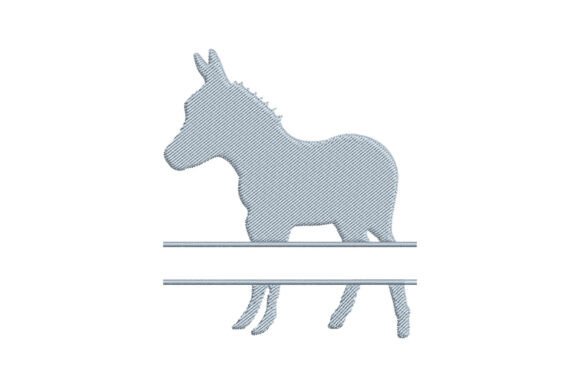
Donkey Monogram: A Designer’s Review for Gifts
As an embroidery designer who regularly tests new files before they ever touch a customer order, I approach every machine embroidery design with a critical eye. When planning inventory for a personalized gift shop or an Etsy listing, the difference between a bestseller and a return often lies in the digitizing quality and the emotional resonance of the artwork. Recently, I have been evaluating the Donkey Monogram for upcoming custom orders, specifically looking at its viability for nursery items, wedding keepsakes, and rustic home decor. This review reflects my hands-on testing process and offers practical advice for fellow makers, small business owners, and crafters considering this design for their product lines.
First Impressions: Charm Meets Versatility
Upon loading the embroidery file into my software, the immediate impression is one of subtle charm rather than cartoonish novelty. In the Animals category, donkey designs can sometimes skew too juvenile or overly realistic. However, this Donkey Monogram strikes a balance that feels both classic and handmade. The lines are clean, suggesting a digitizing style that prioritizes stitch flow over excessive density. For a personalized gift, this aesthetic is crucial. It reads as elegant enough for a wedding gift yet playful enough for baby embroidery.
The mood of the design evokes a sense of pastoral warmth and nostalgia. It does not scream for attention but rather invites a closer look, which is exactly what you want for high-perceived-value items like linen napkins or heirloom blankets. As an Etsy seller or small shop owner, you are selling an emotion as much as a product. This design supports that narrative by feeling timeless rather than trendy, ensuring your finished products remain relevant across seasons.
Ideal Applications for Personalized Products
During my test runs, I identified several key applications where the Donkey Monogram truly shines. Understanding where a design performs best helps streamline production and marketing efforts.
- Nursery and Baby Items: The gentle nature of the donkey makes it perfect for crib sheets, receiving blankets, and bibs. Unlike harsh geometric monograms, this animal motif adds softness to baby embroidery projects.
- Rustic Wedding Keepsakes: For barn weddings or outdoor ceremonies, this design works beautifully on ring bearer pillows, guest towels, and denim aprons. It anchors the theme without overwhelming the typography.
- Home Textiles: Kitchen towels and pillow covers benefit from the design’s scale. It provides a focal point that transforms a basic utility item into a decorative accent.
- Tote Bags and Apparel: Because the design avoids excessive density, it sits well on canvas totes and cotton T-shirts without causing fabric distortion or heavy puckering.
For digital product sellers offering printable mockups, this design photographs exceptionally well because the stitch definition remains clear even in scaled-down images, helping drive buyer engagement before they even purchase the file.
Critical Considerations for Fabric and Placement
While the Donkey Monogram is versatile, no custom embroidery project is without risk. Through testing, I noted specific scenarios where caution is required to maintain professional quality.
Textured and Pile Fabrics
If you are stitching an embroidered towel or terry cloth blanket, the fine details of the donkey’s face or ears may get lost in the pile. You must use a water-soluble topping to keep the stitches visible. Without it, the design will sink into the fabric texture, resulting in a muddy appearance that disappoints customers expecting crisp detail.
Stretchy Knits and Baby Clothes
When applying this to onesies or stretchy knit fabrics, stabilization is non-negotiable. Even if the stitch density is moderate, the tension can warp lightweight knits. Always use a fusible cutaway stabilizer rather than tear-away to prevent the design from distorting after washing. Test on a scrap piece of the exact garment material first; what works on quilting cotton may fail on bamboo jersey.
Small Lettering Integration
If your monogram includes integrated text, pay close attention to the minimum letter height. Small serifs or thin script fonts paired with the donkey motif can become illegible if resized below the recommended threshold. For commercial embroidery on small items like cuffs or collars, verify that the text remains readable at the reduced size. If the details vanish, opt for a simpler block font or increase the overall design size.
Elevating Perceived Value and Customer Trust
In the handmade market, trust is built through consistency. Using a well-digitized design like the Donkey Monogram signals to buyers that you care about quality. A design that registers perfectly, has minimal jump stitches, and lays flat enhances the perceived value of the entire product. Customers are more likely to leave positive reviews and return for future purchases when the embroidery looks intentional and polished.
Furthermore, this design aids in storytelling. When photographing your work, pair the embroidered item with natural textures like wood, wicker, or linen to reinforce the organic charm of the donkey motif. High-quality photos of the finished product in context help buyers visualize the item in their own lives, bridging the gap between a digital file and a tangible treasure.
Practical Technical Notes for Makers
Before adding this design to your permanent rotation, adhere to these professional best practices to ensure success:
- Verify Specifications: Always check the included documentation for exact stitch count, hoop size requirements, and color changes. Never assume compatibility based solely on the thumbnail image.
- Test Stitch Out: Run a sample on scrap fabric similar to your final substrate. Check for registration issues, thread breaks, or excessive pull compensation.
- Thread Color Contrast: Test on both light and dark fabrics. Some shading techniques rely on contrast to be visible; on dark fabric, you may need to adjust underlay or top thread colors to maintain definition.
- Stabilizer Selection: Match your stabilizer to the fabric weight and drape. Heavy towels need robust support; delicate linens need sheer, lightweight backing to avoid bulk.
- Licensing Compliance: Before selling any handmade product featuring this design, confirm the commercial licensing terms. Ensure you are permitted to sell physical embroidered goods and understand any restrictions on digital redistribution.
- Mockup Accuracy: If creating listings, use accurate printable mockup templates that reflect the true scale and placement of the design. Misleading visuals lead to returns and negative feedback.
Final Thoughts for Shop Owners
The Donkey Monogram represents a strong addition to any embroidery library focused on personalized gifts. Its blend of whimsy and elegance allows it to cross demographic lines, appealing equally to new parents, brides, and homeowners. By respecting the technical requirements of commercial embroidery and leveraging the design’s inherent charm, you can create products that stand out in a crowded marketplace. Remember that successful selling is not just about the design itself, but how thoughtfully you execute and present it. Take the time to test, refine, and photograph your work properly, and this design will likely become a reliable staple in your custom order lineup.